
Los Angeles
OCTOBER 9, 2024
A blueprint for the future
Key Takeaways
From the Summit
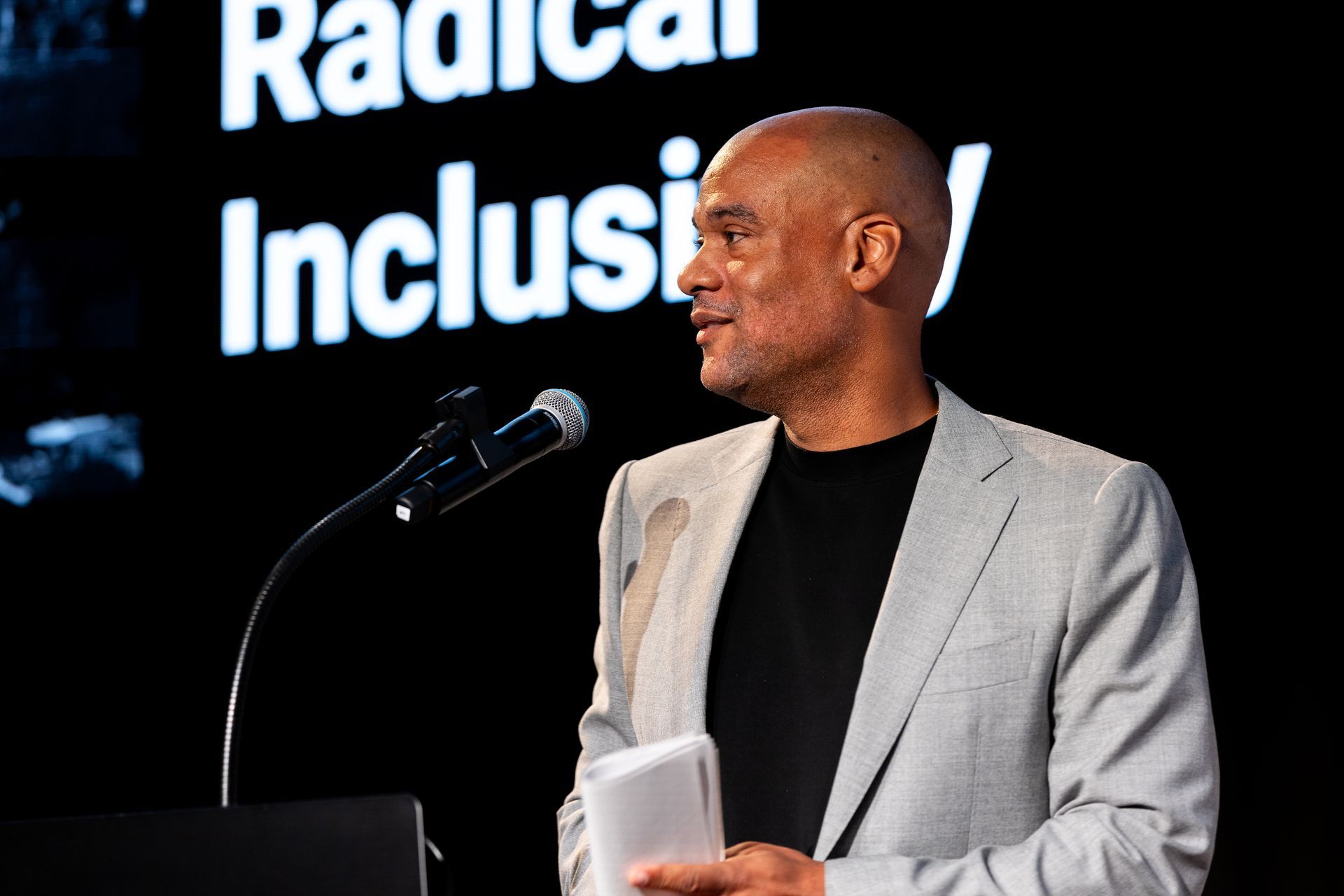
1. A Call for Radical Inclusivity
At the heart of the discussion was the concept of radical inclusivity—ensuring not only diverse representation at decision-making tables but also meaningful participation that drives policy and labor reforms. Speakers stressed the importance of creating spaces where marginalized voices are not just welcomed but required to have a seat at the table to drive change.
2. Modernizing Municipal Government
By modernizing governance frameworks, cities and counties can streamline operations, enhance transparency, and ensure that policies are implemented more efficiently and equitably across localities in California.
3. Leveraging California’s Philanthropic Ecosystem
California boasts one of the most robust philanthropic ecosystems in the world, with institutions like the Weingart Foundation, the California Community Foundation, The California Endowment and others leading the way. Summit participants emphasized the need to foster collaboration among diverse stakeholders—labor leaders, business executives, policymakers, academics—in partnership with philanthropists to drive economic growth and equitable development.
4. Expanding Access to Capital
A recurring theme at the Summit was the need to diversify access to capital to drive change. Public pensions, private equity, and venture capital must be leveraged to benefit marginalized communities. Speakers also discussed how the public should demand greater accountability in how funds are allocated, ensuring that investments address barriers to growth in underserved areas.
5. Leveraging Procurement Contracts
Federal, state and local governments spend hundreds of billions of dollars on public projects and capital improvements. This money goes overwhelmingly to large contractors who have economic and political influence. Minority- and women-owned firms receive a disproportionately small portion of this funding. Changing the process and standards by which contracts are awarded could have significant impact on the lives of workers employed by these historically disadvantaged business owners.
6. Data-Driven Policy and Measurable Outcomes
The importance of measurable outcomes was another focal point. By tracking the impact of inclusive policies and programs, stakeholders can adjust policy and strategy to ensure fair and equitable results. This approach is vital for improving quality of life, health outcomes, educational attainment, and socio-economic mobility across California.
7. The Path Forward: Collaborative Ecosystems and Equitable Prosperity
Achieving equitable prosperity requires a unified approach. Discussions of business development must include labor leaders and workers, and policy decisions must prioritize inclusivity. By fostering collaborative ecosystems and holding institutions accountable, California can lead the charge in creating a more just and equitable economy.
8. Workforce Opportunities
Economic equity in California requires addressing critical workforce challenges that perpetuate disparities. Key issues and opportunities addressed at summit included:
- Living Wage and Cost of Living: The gap between wages and the cost of living continues to widen. Workers need wages that reflect the true cost of housing, healthcare, and basic necessities to ensure economic stability.
- Gender Pay Gaps: Women, particularly women in marginalized communities, remain underpaid compared to their male counterparts. Closing the gender pay gap is essential to creating equitable opportunities in the workforce.
- Access to Benefits: Many workers, especially those in the gig economy and low-wage industries, lack access to critical benefits like healthcare, retirement savings, and paid leave. Expanding access to benefits is key to building a more resilient workforce.
- Affordable Housing: Housing costs are a significant barrier for workers, with many spending an unsustainable portion of their income on rent or mortgages. Addressing affordability through innovative housing policies and public-private partnerships is essential for economic inclusion.
- Workforce Development Programs: Programs must prioritize “up-skilling” and “re-skilling workers” to meet the demands of a rapidly evolving job market.
- Labor and Business Development: Labor leaders must be included in business development discussions so they can advocate for fair wages, safe working conditions, and equitable benefits.
- Living Wage and Cost of Living: The gap between wages and the cost of living continues to widen. Workers need wages that reflect the true cost of housing, healthcare, and basic necessities to ensure economic stability.
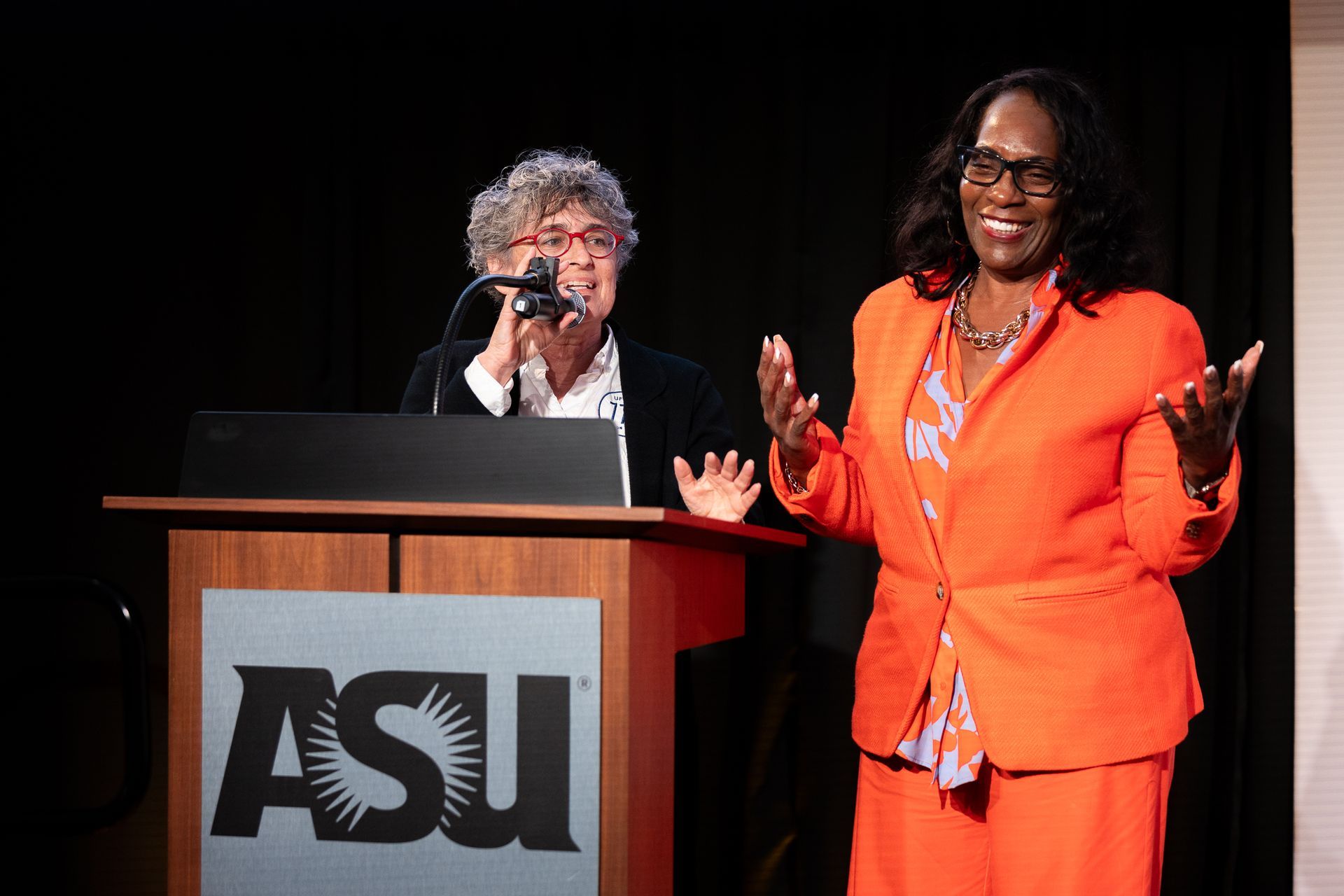
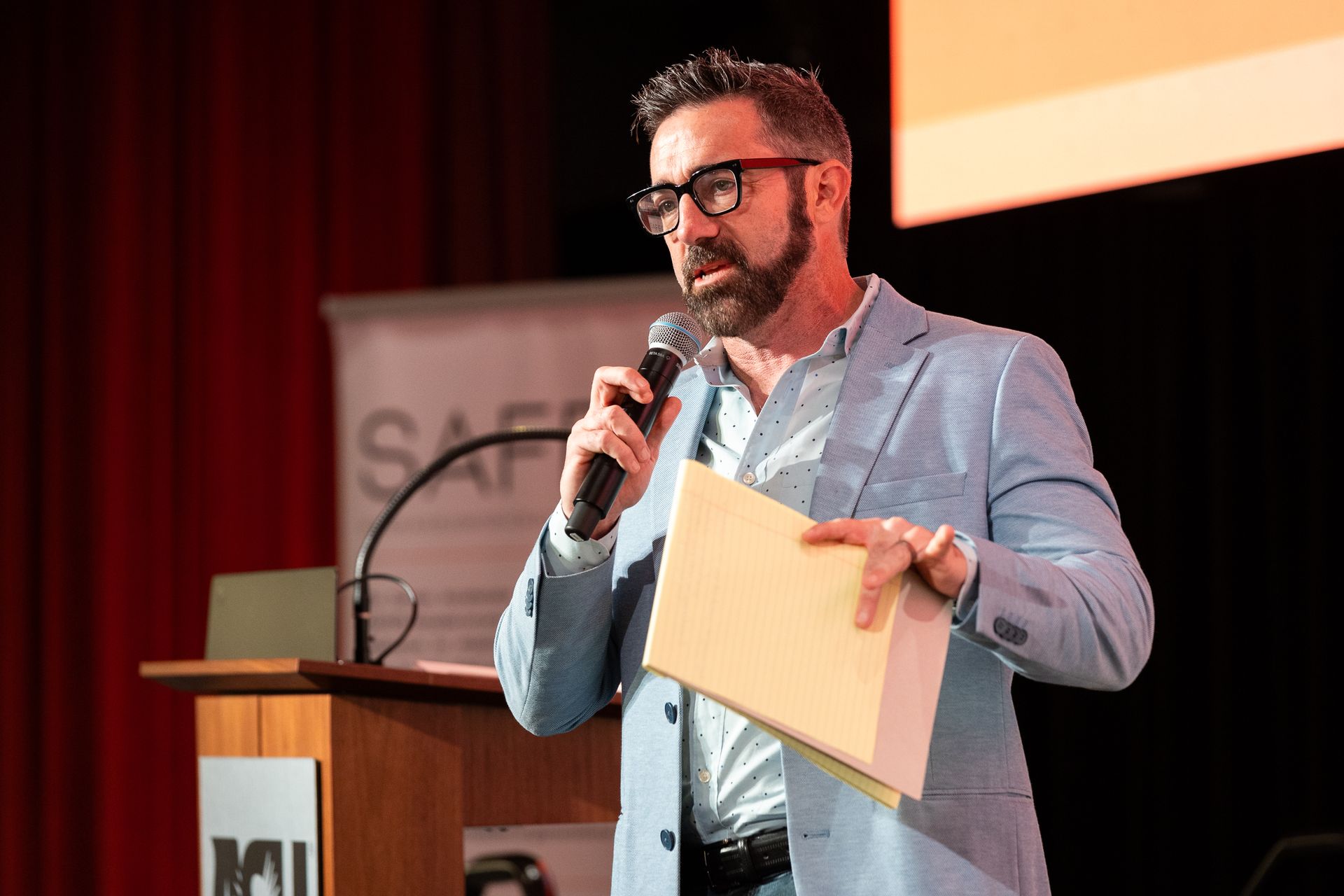
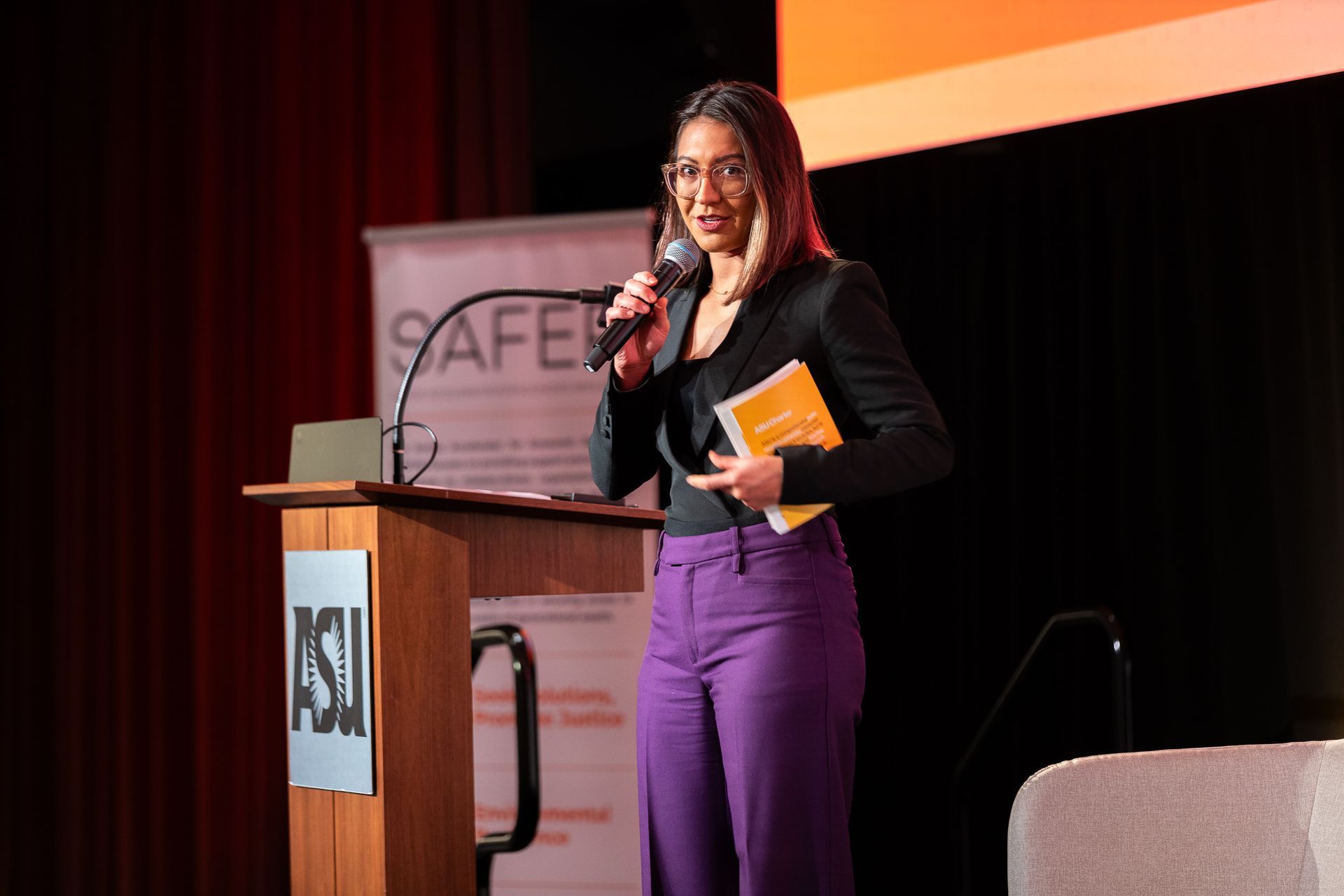
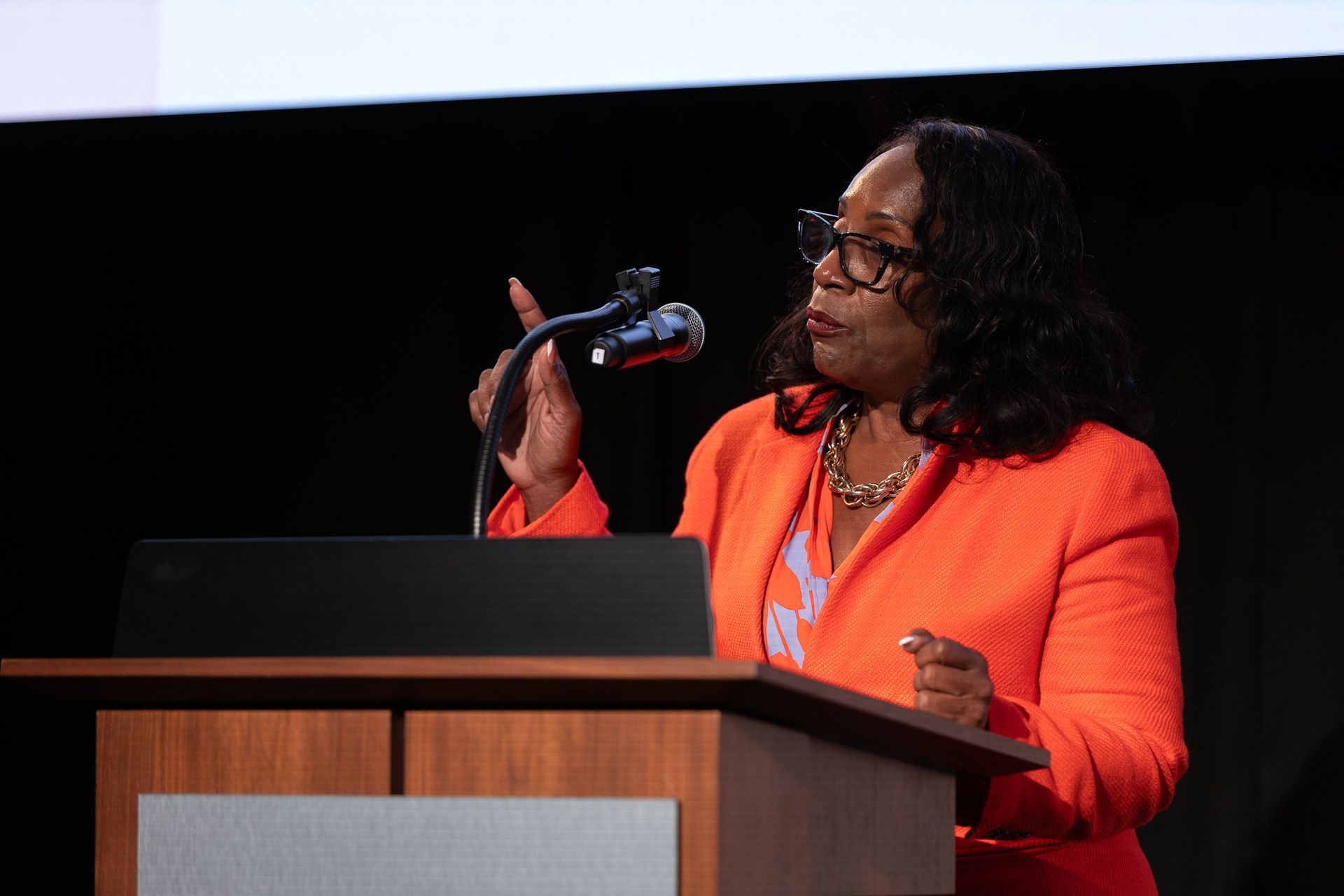
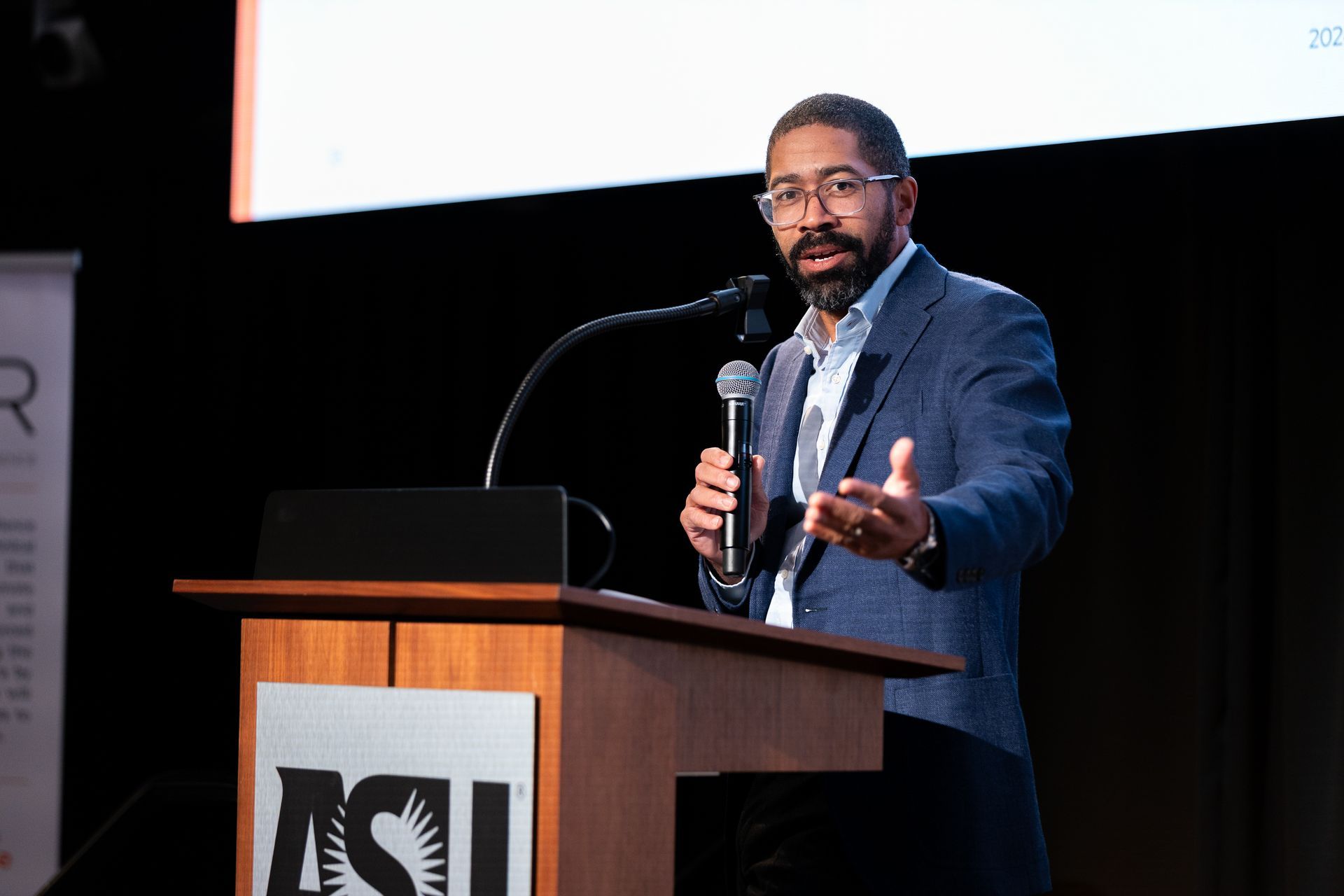

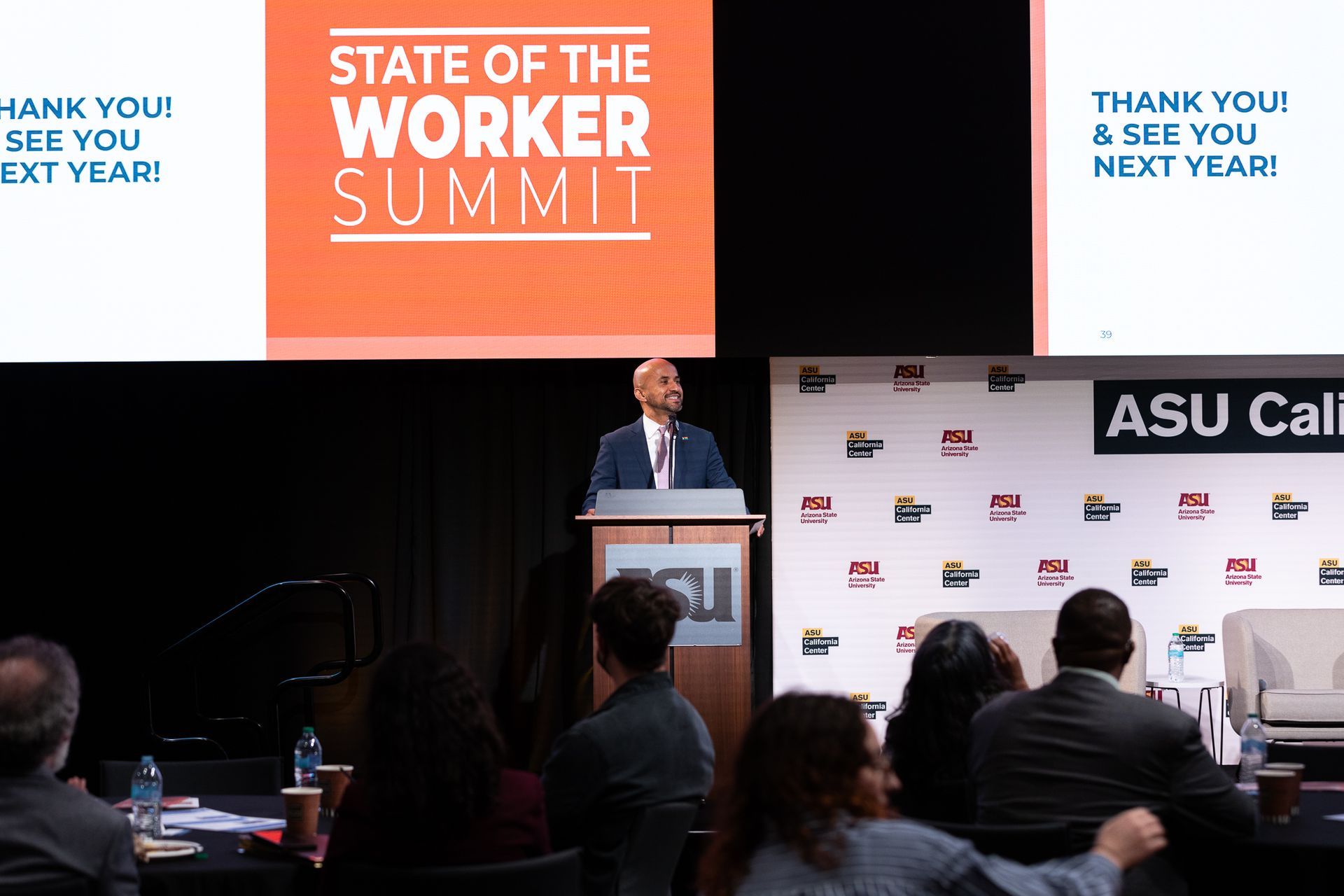


“While corporations are reaching record profits, workers are being left behind, and this must change. Workers were essential during the pandemic and remain essential afterward, which must be reflected in our investment in workers, their wages, and their protections.
To move California forward, we need policies that safeguard workers' rights and provide opportunities for “upskilling” and investment in workers. Organized labor continues to face resistance from certain industries, making it harder to secure living wages, benefits, and safe working conditions. However, the resurgence of union efforts, particularly among young people, gives us hope.”
Yvonne Wheeler
President of the LA County Labor Federation
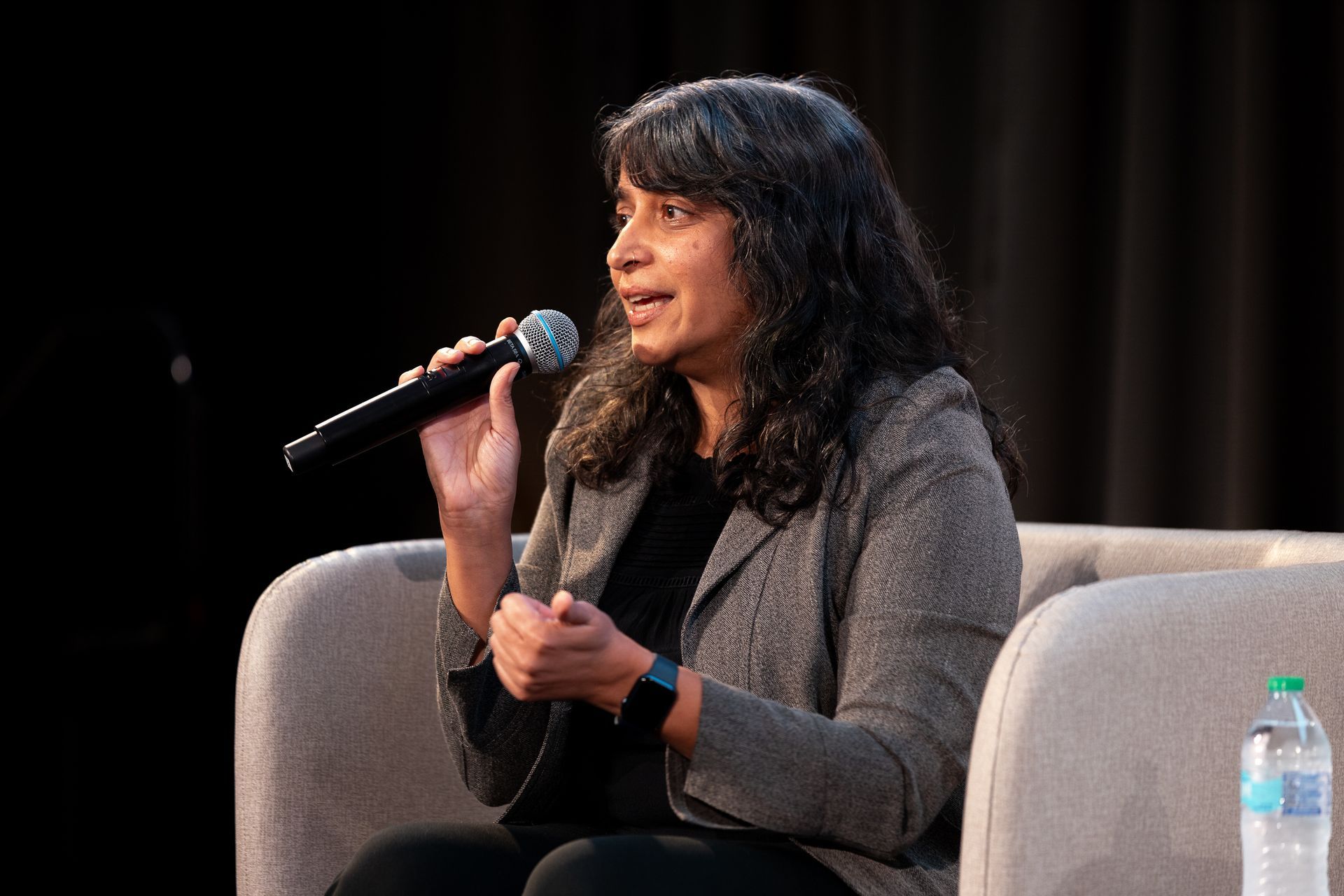
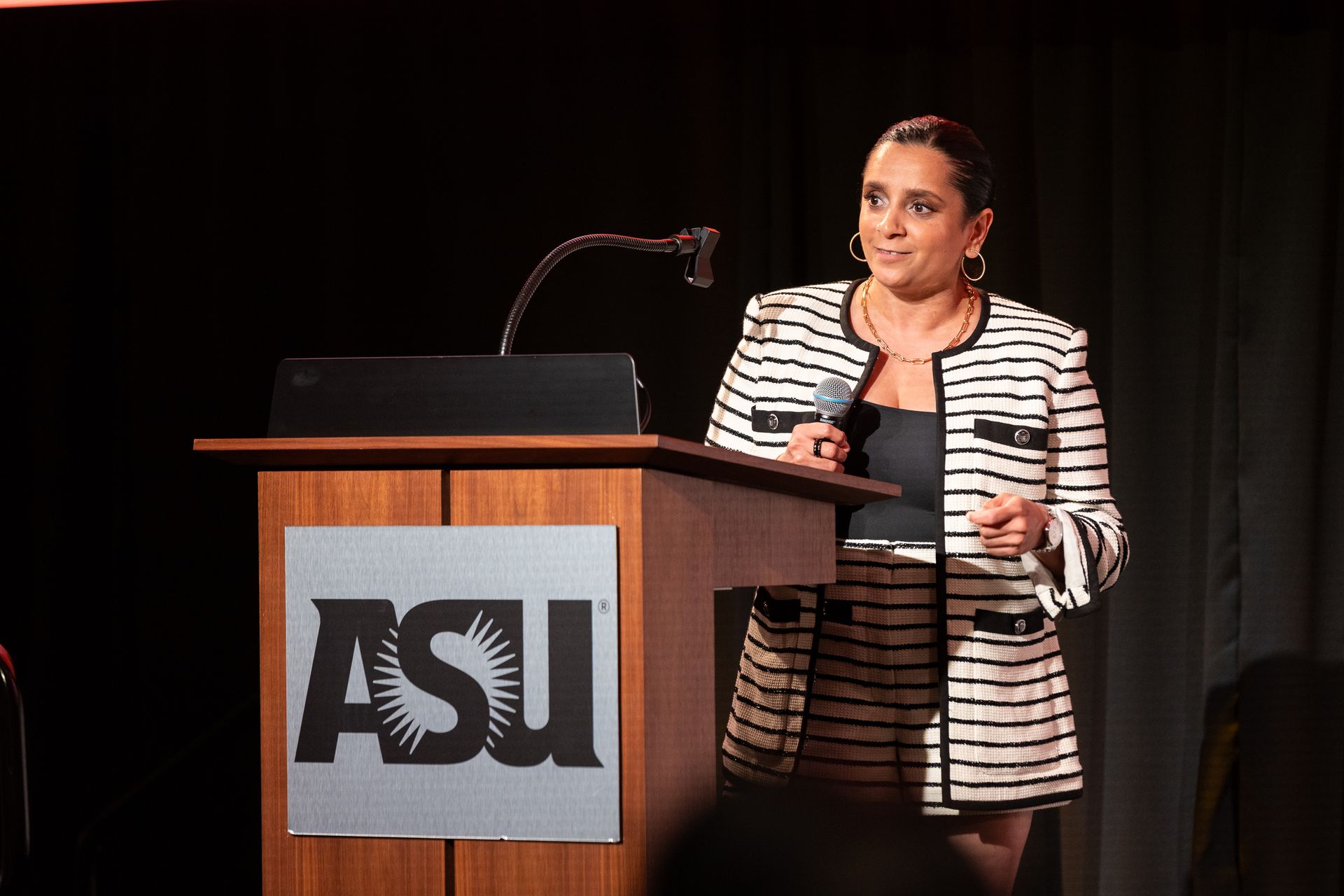
“For domestic workers, carwash workers, and others in the most precarious positions, it is essential to educate them about their rights and the benefits they should be accessing.
Programs like the Domestic Workers Education and Outreach Program and the California
Outreach Program are pivotal. Currently, there is a required week-long training in high school to teach students about their workplace rights will help cultivate a consciousness of being a worker early on, ensuring they are well-prepared for the workforce.”
Saba Waheed
Director, UCLA Labor Center
“It’s important to debunk the false narrative that people from marginalized communities are liabilities when, in reality, they are assets. The potential of these communities has largely been untapped because they lack access to the resources and opportunities that could shift their trajectory and ensure they have a fair shot at achieving the American Dream.
Our goal is to lead a movement that turns the tide of the economy by anchoring to values that normalize safety, promote equitable opportunity, and distribute and share power—these being the key elements to a more inclusive economy.
If we want to shift from surviving to thriving, we must fundamentally rethink how we invest in our most valuable asset: people. America, one of the largest economies in the world, was built on the foundation of free labor. It’s time to take action to right-size our economy, and we can begin in California.”
Yvonne Wheeler
President of the LA County Labor Federation
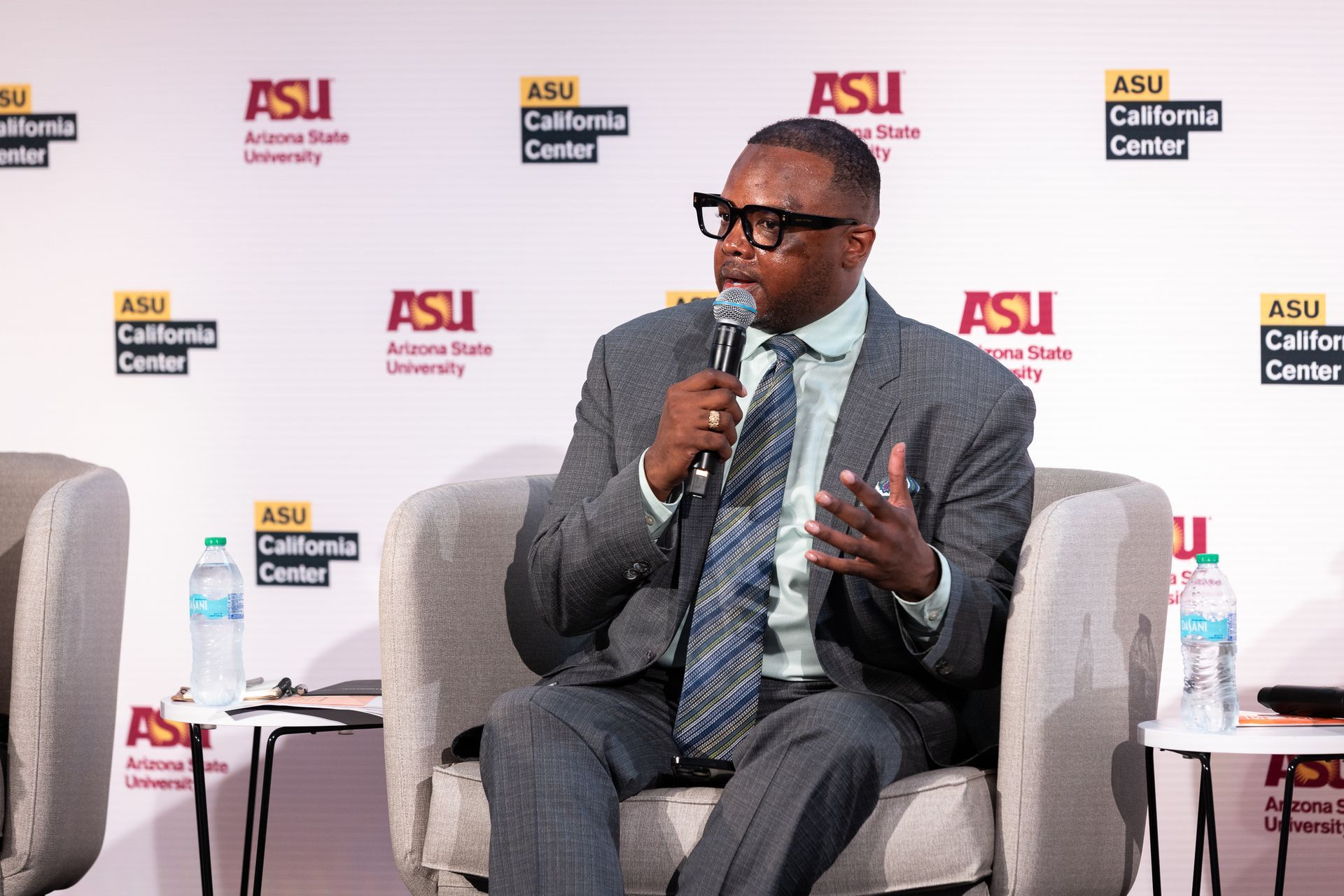
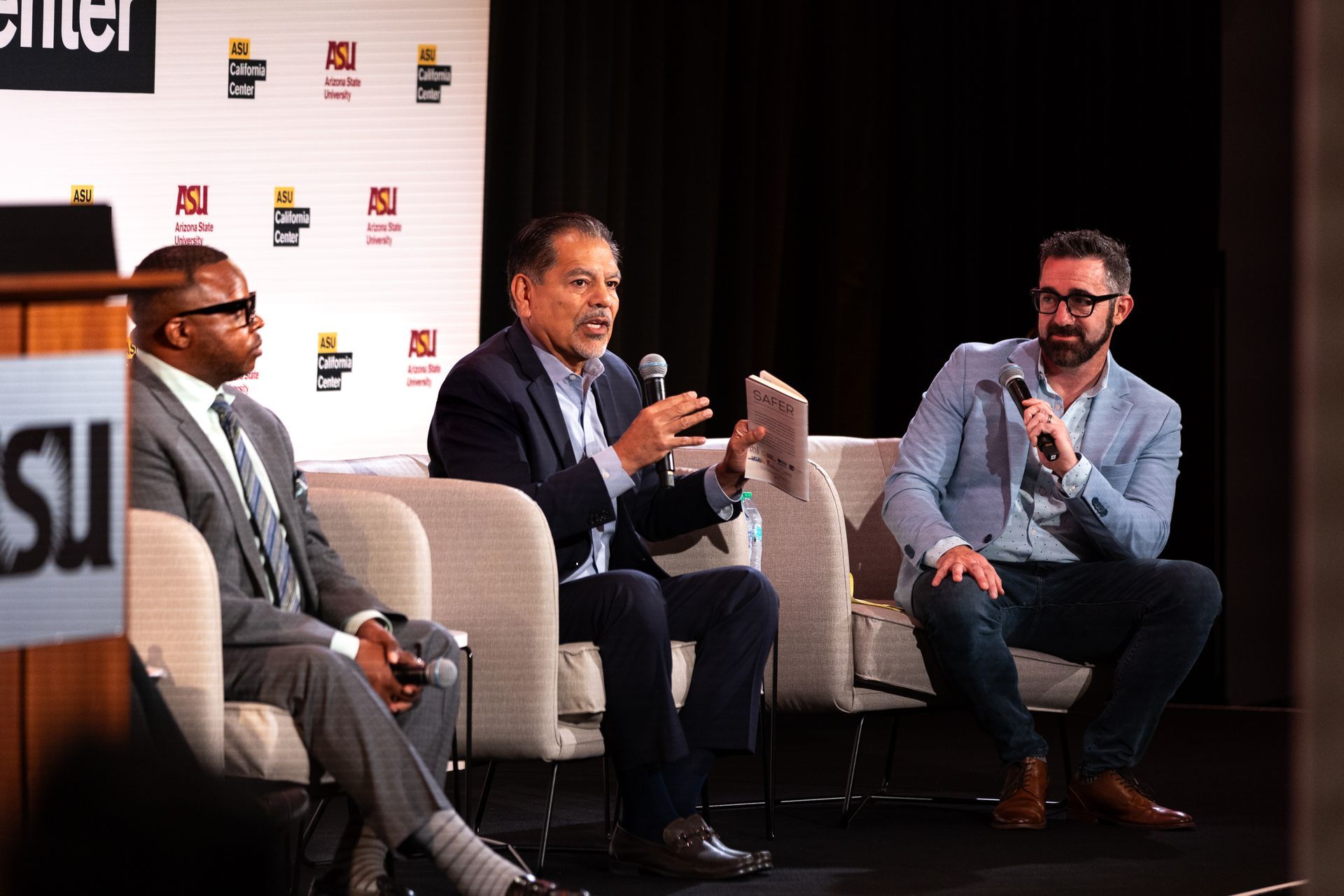
“The government holds tremendous resources and has the capacity to make significant investments that benefit society. The goal is to make government more responsive to individuals, ensuring it meets their needs effectively and equitably.
One of the most pressing issues affecting the poor is affordable housing—not public housing that segregates, limits, and isolates—but social housing that integrates and promotes inclusivity. The City of Los Angeles government has built multi-billion-dollar capital projects, such as those by the Department of Water and Power. Using a similar model, we can develop social housing.
Historically, we have allowed government to take an activist role in many areas, but rarely on social issues. The L.A. government works remarkably well when it partners with capital and capitalists. Now, let’s make it work for the poor.”
Dr. Fernando Guerra
Professor of Political Science, Loyola Marymount University
ABout the
state of the worker summit
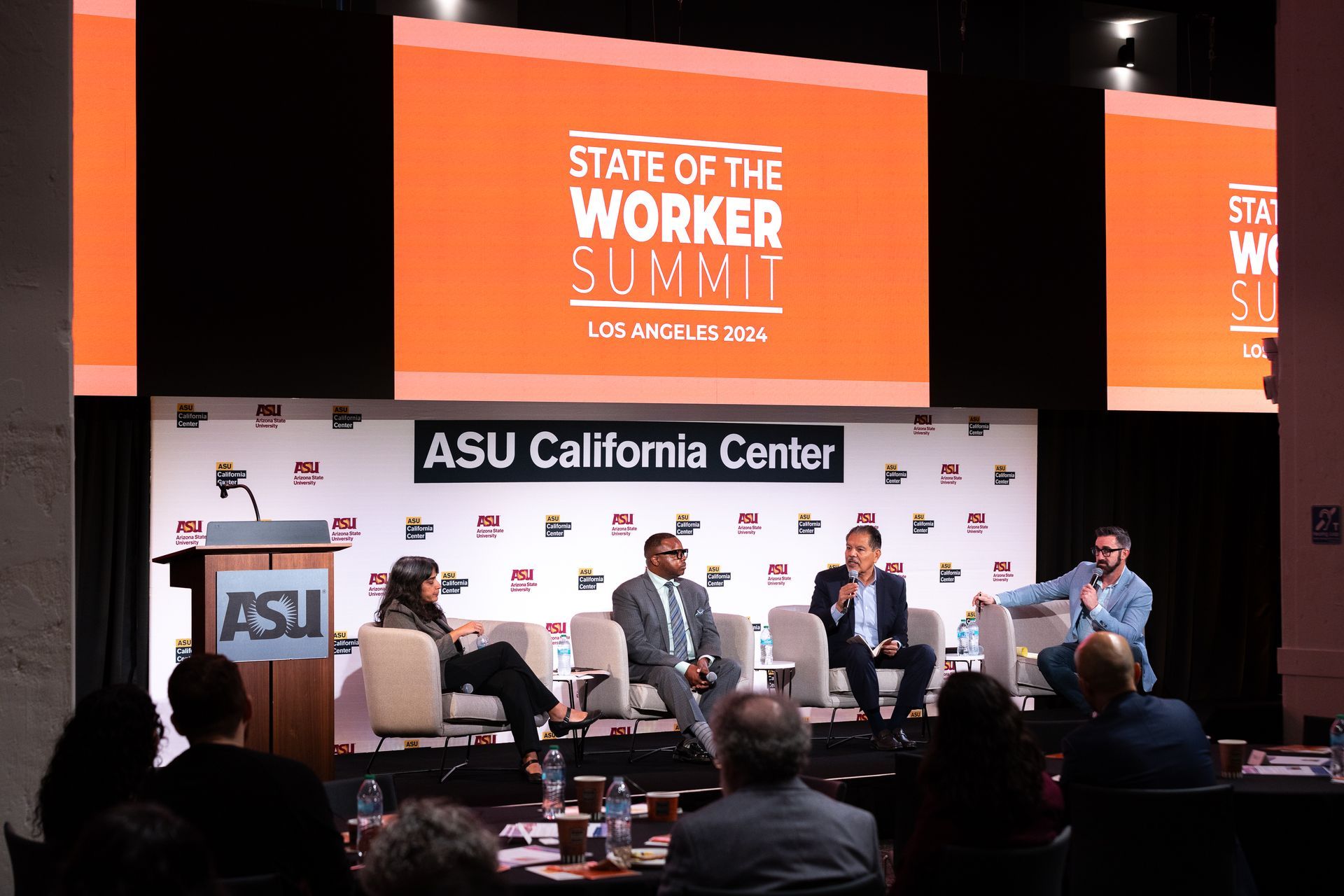
The State of the Worker Summit will bring together business and labor leaders, public officials, policy experts and academic specialists to discuss the current state of the worker and identify ways that will build a robust economy anchored in job creation across industries and promote economic growth among all Californians.
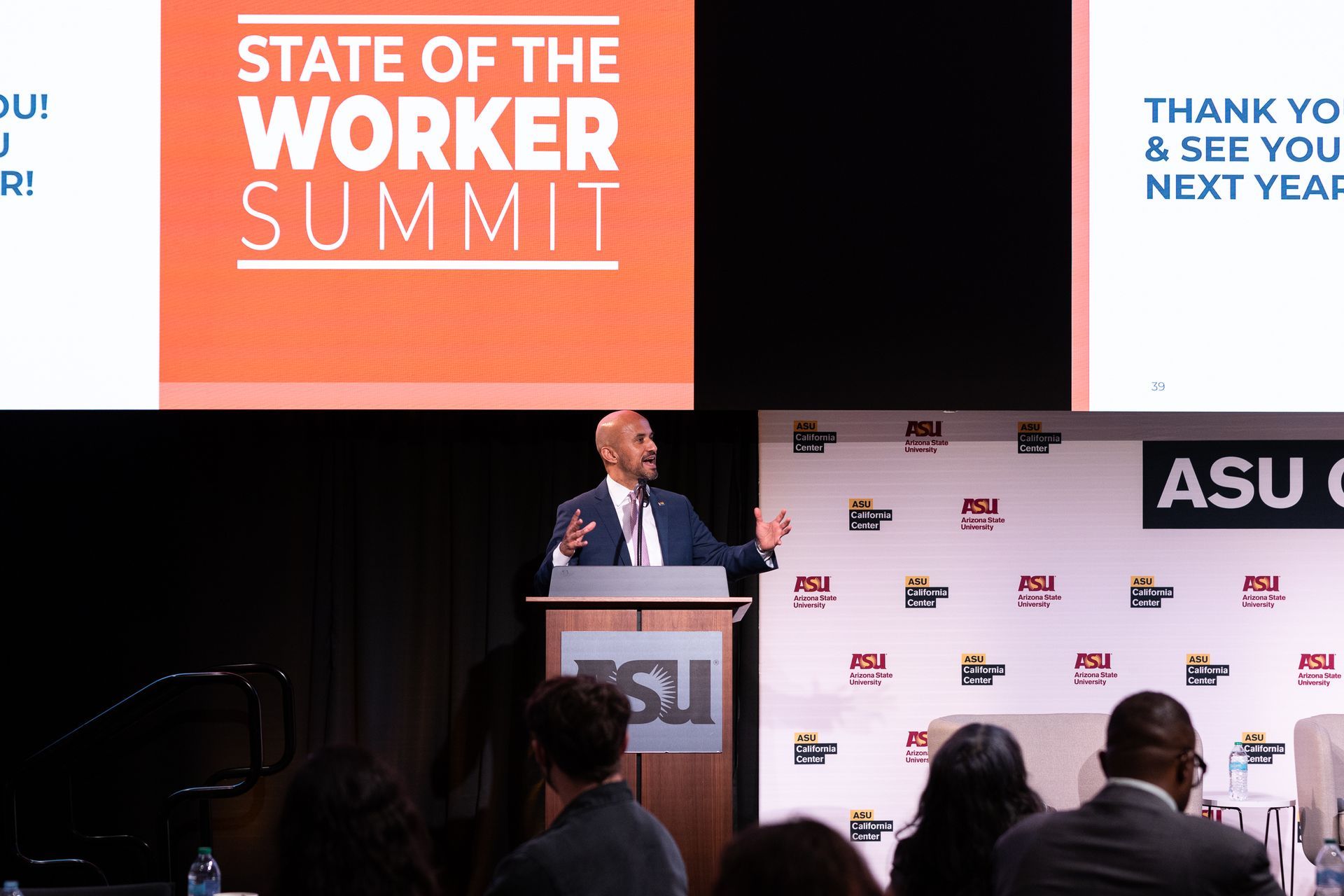
Speakers and panelists will seek creative solutions to some of the state's most pressing economic challenges, focusing on public-private partnerships that promote investment and generate jobs in underserved communities. The far-ranging discussions will address challenges to the economy that have resulted from the impact of the Great Recession and the Covid-19 pandemic and accelerating political and demographic trends that have had significant impact on the lives of working people and the fortunes of the business community Somos Group CEO Alfred Fraijo Jr. will greet guests to the summit, followed by businessman and entrepreneurial activist Karim Webb, who will deliver the keynote speech. The keynote will be followed by a panel of experts who will provide context and substance to the day’s discussions.
These conversations will address the intersection of efforts to create jobs and build the economy in a broader context that includes issues of wealth inequality, affordable housing, social and economic mobility, and the expansion of educational and training opportunities.
The State of the Worker Summit is conceived and produced by SAFER (Somos Accelerator for Economic Resilience). SAFER is the non-profit affiliate of Somos Group, a legal and land-use planning firm dedicated to partnering with public- and private-sector clients to build and sustain community resilience, promote economic development, increase social equity and accelerate prosperity.
check out our upcoming events!
We're here to create fantastic campaigns that tell your story, grab attention, get people interested, and ensure that what you've got to say stands out from the rest.