
a safer Blog
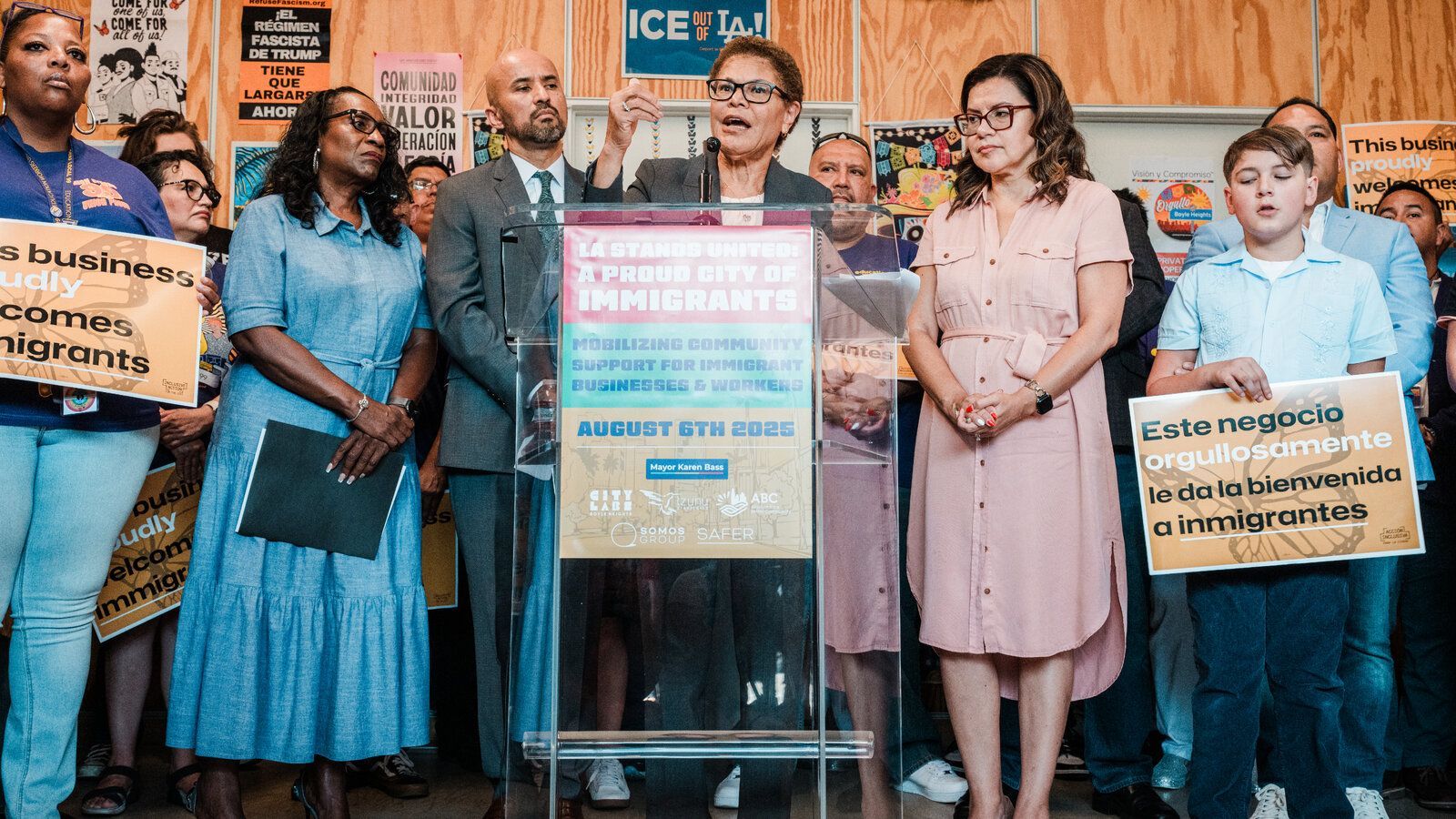
SAFER co-hosted a press conference in partnership with Mayor Karen Bass to address recent disruptions affecting small businesses and the neighborhoods they sustain. The event underscored the urgent need for coordinated action to stabilize local economies, strengthen immigrant-owned businesses, and build long-term resilience.
SAFER is committed to working with our partners to fundamentally address the alarming and rapidly-progressing threat of climate change to the natural and built environments. Thinking critically and with an eye to innovation is a signature principle embedded in our collaborative work. In particular, we are focused on the disparate impact such radical climatic changes have on communities historically marginalized by poverty, racial discrimination, and a lack of political power. SAFER seeks to use its expertise, resources, and intellectual capital to help address the negative impacts of climate change on those communities and promote collaborative efforts to build resilience against future disasters. This emphasis is intentional and purposeful. Under-resourced communities have long borne the brunt of environmental discrimination—whether it is from unregulated chemical-plant emissions, polluted water systems or freeways that encircle poor communities. So, it is not surprising that the challenges we all face from disastrous climate changes are disproportionately felt by the poor and people of color. Multiple studies have shown that more federal disaster resources go to communities with majority-white populations than to people of color and their communities, even when the amount of damage is the same. Other studies have indicated that insurance companies are abandoning communities that are vulnerable to floods and fires and are, in particular, redlining non-white communities—leaving the most vulnerable at elevated risk. In response to these sobering realities, SAFER will focus its work in the following ways: Investigate: Engage existing research—and initiate our own when necessary—that provides a foundation for addressing the effects of climate change on urban communities. Collaborate: Work with partners that share a commitment to solving problems that result from the disproportionate impact of climate change on communities of color and under-resourced urban areas. Collaborate with local, state and federal leaders to seek solutions and promote environmental resilience in these areas. Educate: Work to educate our project partners in the government, business and the non-profit sector on the disproportionate risks from climate-related disasters faced by economically disadvantaged and people-of-color communities due to a history of biased public policy and discrimination by the insurance industry. To promote an understanding that our destinies are intertwined; lifting up vulnerable communities benefits and sustains us all. Integrate: Incorporate an environmental justice lens when thinking about the projects we help incubate with our partners. Use the same lens as a guiding principle for the everyday culture and spirit of our collaborative work. Innovate: Deploy the most creative and innovative legal and land-use strategies. Access the expertise of lawyers, designers, advocates and land use professionals to design cutting- edge solutions for our partners. We believe that, working together, private- and public-sector organizations can build business resilience, restore nature, and repair some of the historical damage done to marginalized communities from the unintended impact of natural disasters and environmental pollution as well as the intentional harm done by public policy and bad actors in the public sphere. SAFER commits itself to a bold vision of creating safer, healthier, and more resilient communities—and will work with like-minded partners to bring this vision to life.
A Playbook for Rebuilding After the Fires