
MEET OUR current SCARF FELLOW
ruben esparza
ABOUT RUBEN ESPARZA
b. 1962, El Paso, Texas
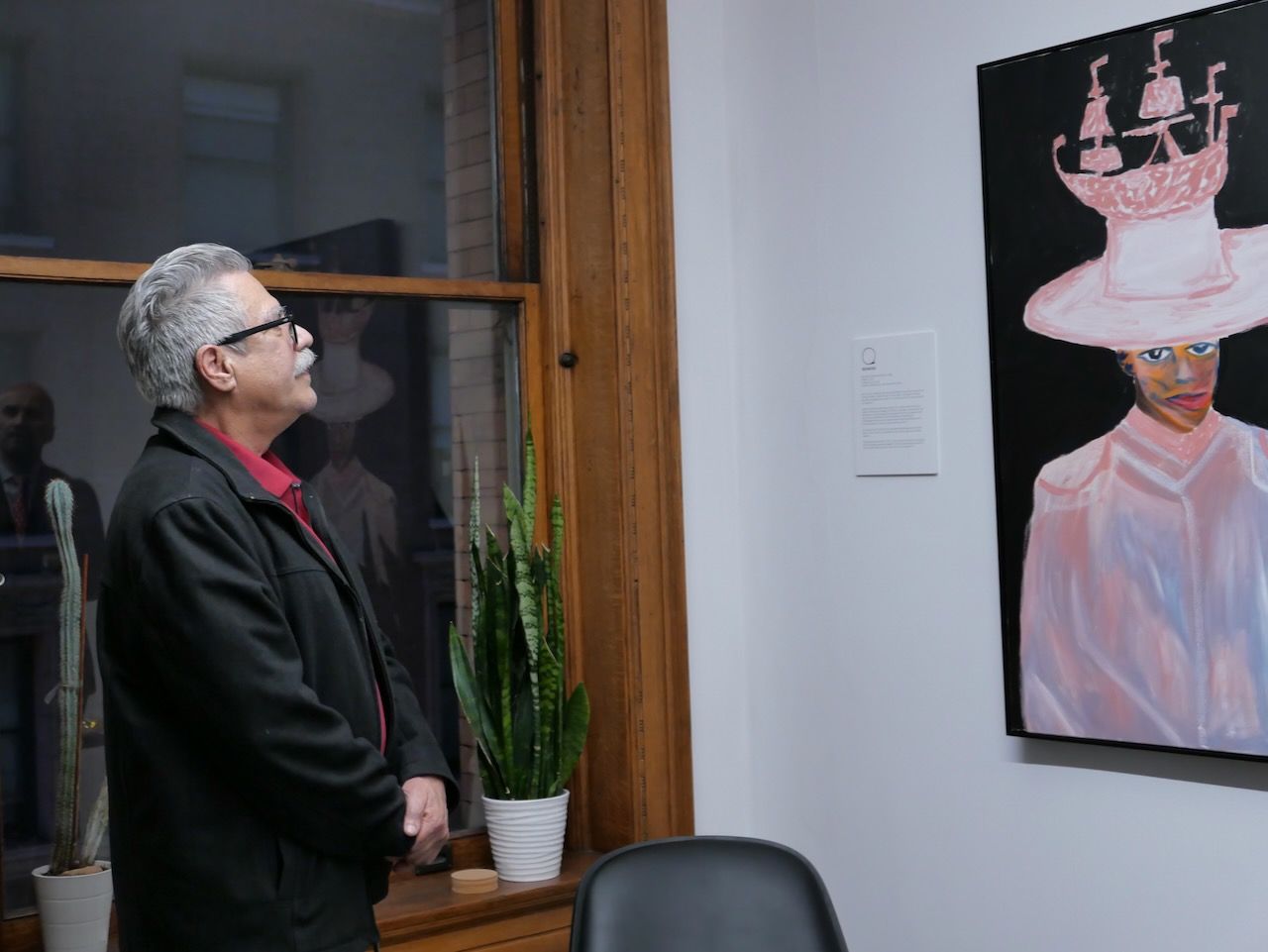
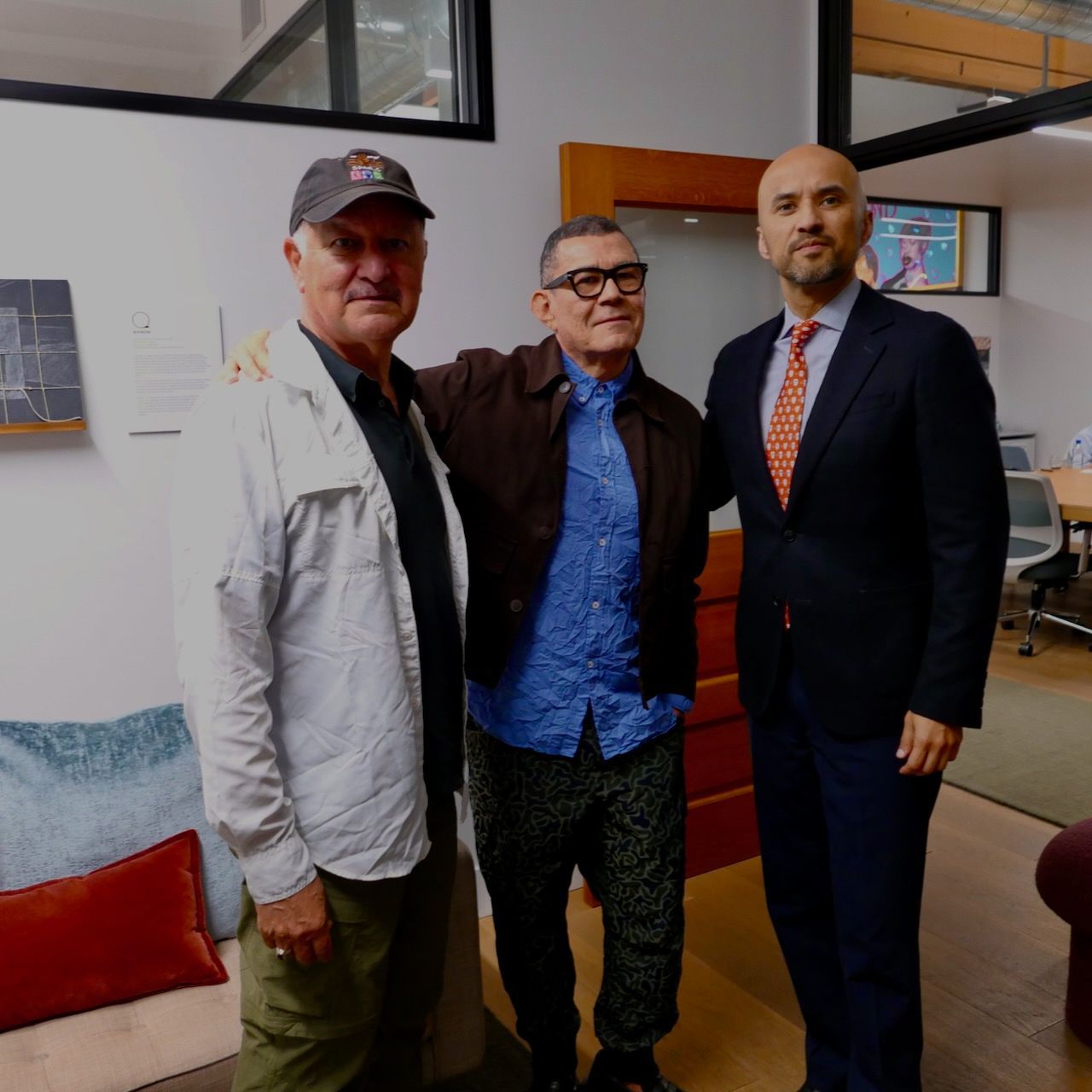
Rubén Esparza is the inaugural recipient of the SAFER Artist-in-Residence Fellowship.
Esparza is a multidisciplinary artist and independent curator. His work explores Queer and Latinx histories, existential trauma, and the reconciliation of his heritage that of the colonizer and the colonized within, and in conversation with, the Western art canon. Esparza uses analog materials alongside complex experimental digital-driven works to create sociopolitical/art theories commentary or homage to brownness and queerness. Esparza studied Art History and Graphic Design at The Art Institute of Houston and has complemented his formal training with independent art practices and curatorial studies, including the Node Curatorial Studies Berlin.
He works with materials that include formal painting techniques on canvas and paper, digital media from online sources, found materials, and self-created within the hybridity of all methods. Esparza's photography work mainly concerns textures, places, and people.
His work is in permanent collections that include Centro Cultural de Mexico, Santa Ana/California; Galeria del Gallo (Madrid); Galeria Sin Fronteras (Austin); Instituto Cultural de Baja California; Laguna Art Museum; Los Angeles County Museum of Art; Rubell Museum; Mexican Fine Arts Center Museum; the Museum of Contemporary Art, San Diego; the Tom of Finland Foundation; and numerous other museums and galleries.
Beyond his art practice, Esparza is an activist, organizer, and curator; his curatorial work is woven into and is considered part of his art-making and his multiple identities. Esparza is the founder and director of the Queer Biennial, an international survey focusing on current moments in out/queer/LGBT art and culture that showcases emerging, mid-career, and established artists.
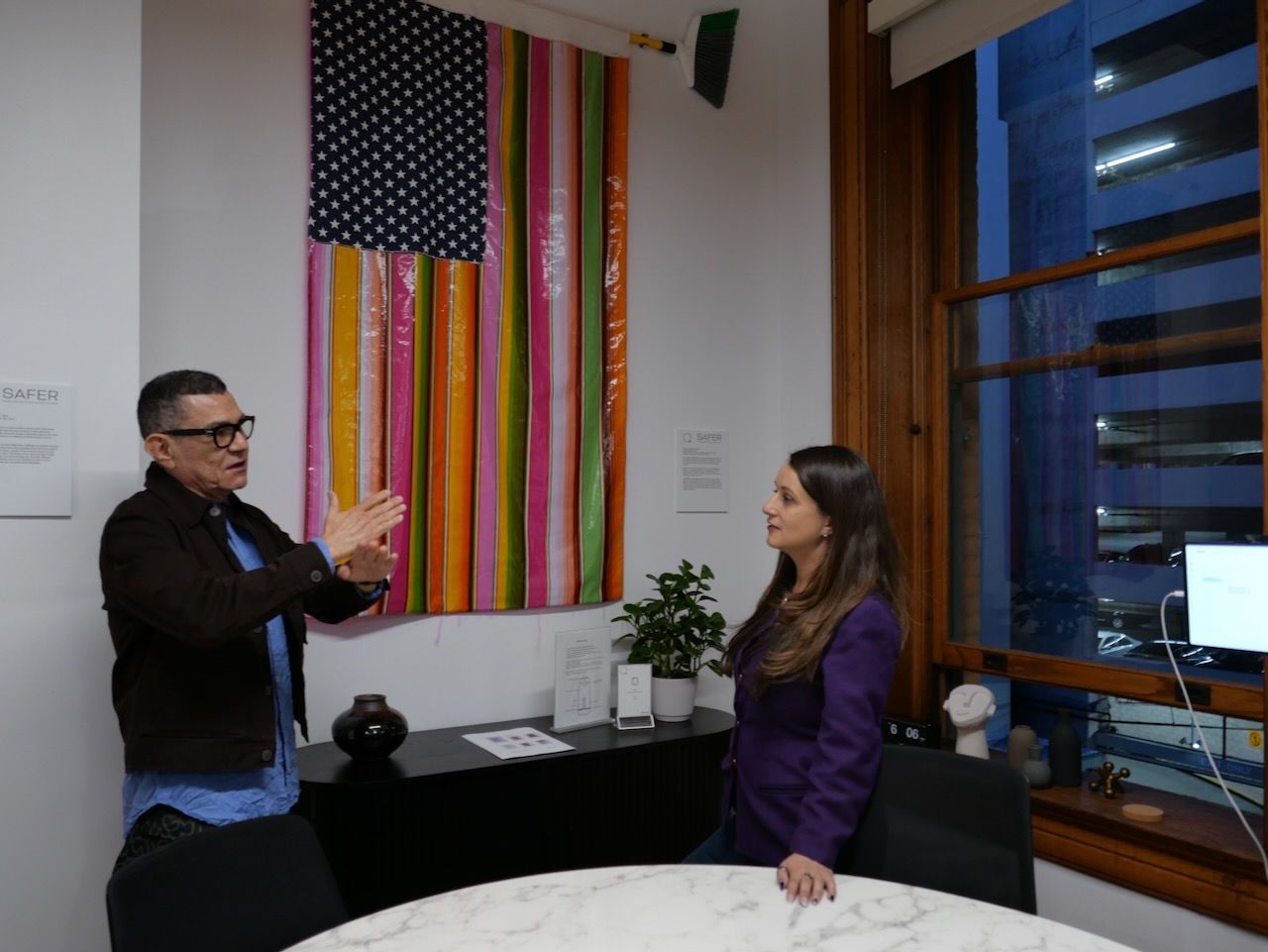
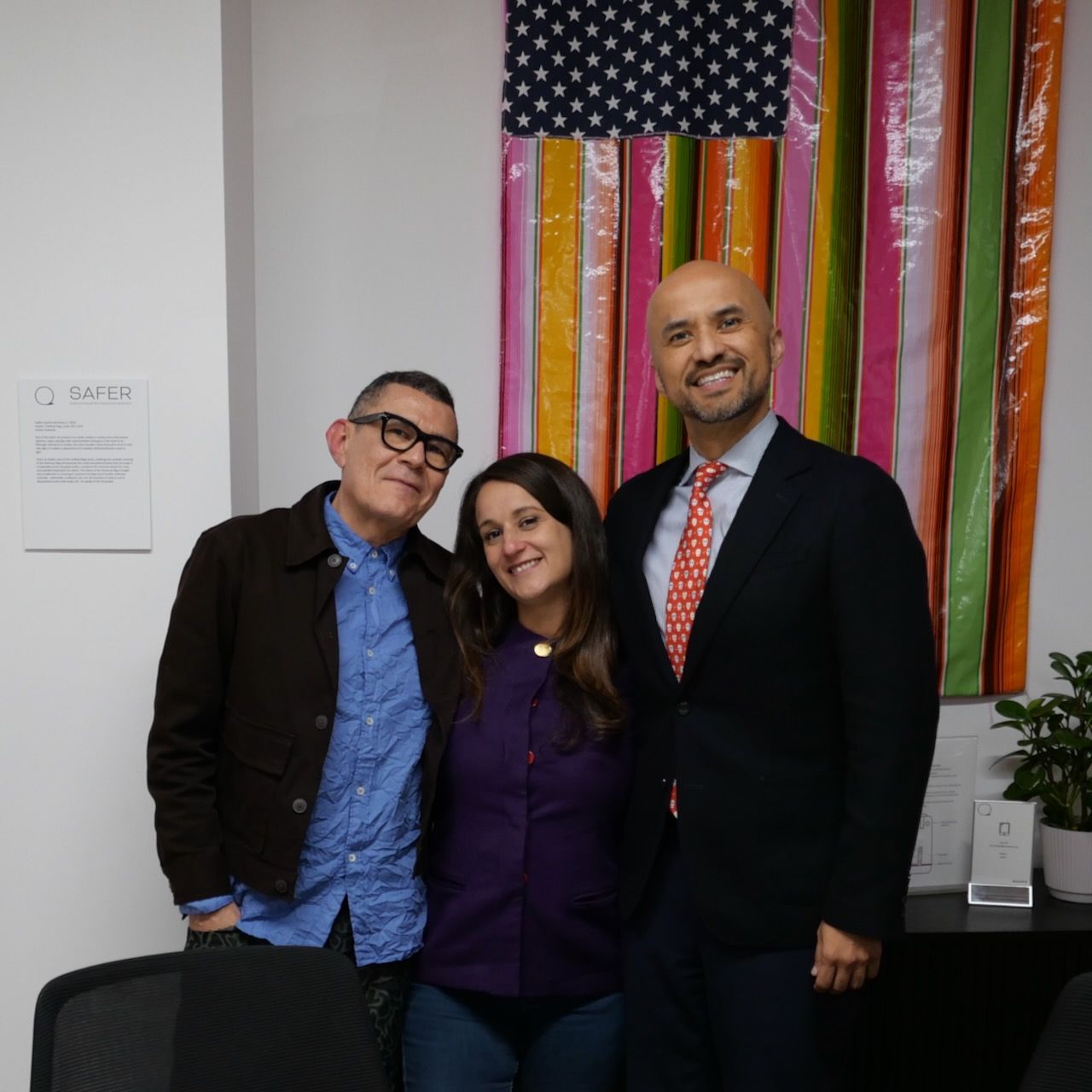
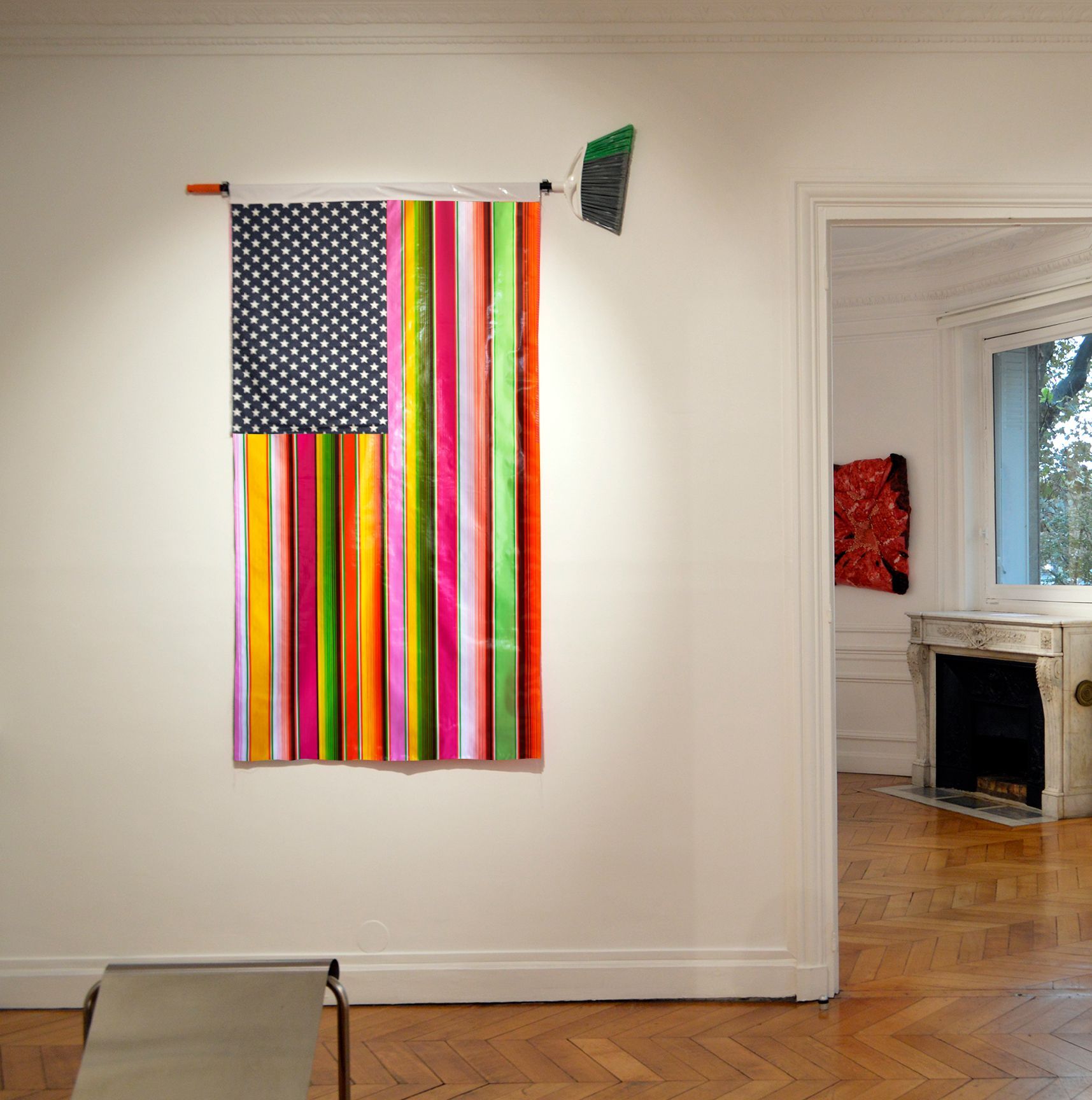
Untitled (flag) is a series of studies that challenges the symbolic meaning of the American flag and questions the social and political history that has made recognizable across the globe today. A symbol of the American dream for some and capitalist imperialism for others, the history of the American flag is fraught and complicated. In choosing to construct the flags out of familiar, utilitarian materials – tablecloths, cardboard and cast-off remnants of cloth (a nod to Rasquashismo) – that speak to the artist’s Chicanidad and queer identity.
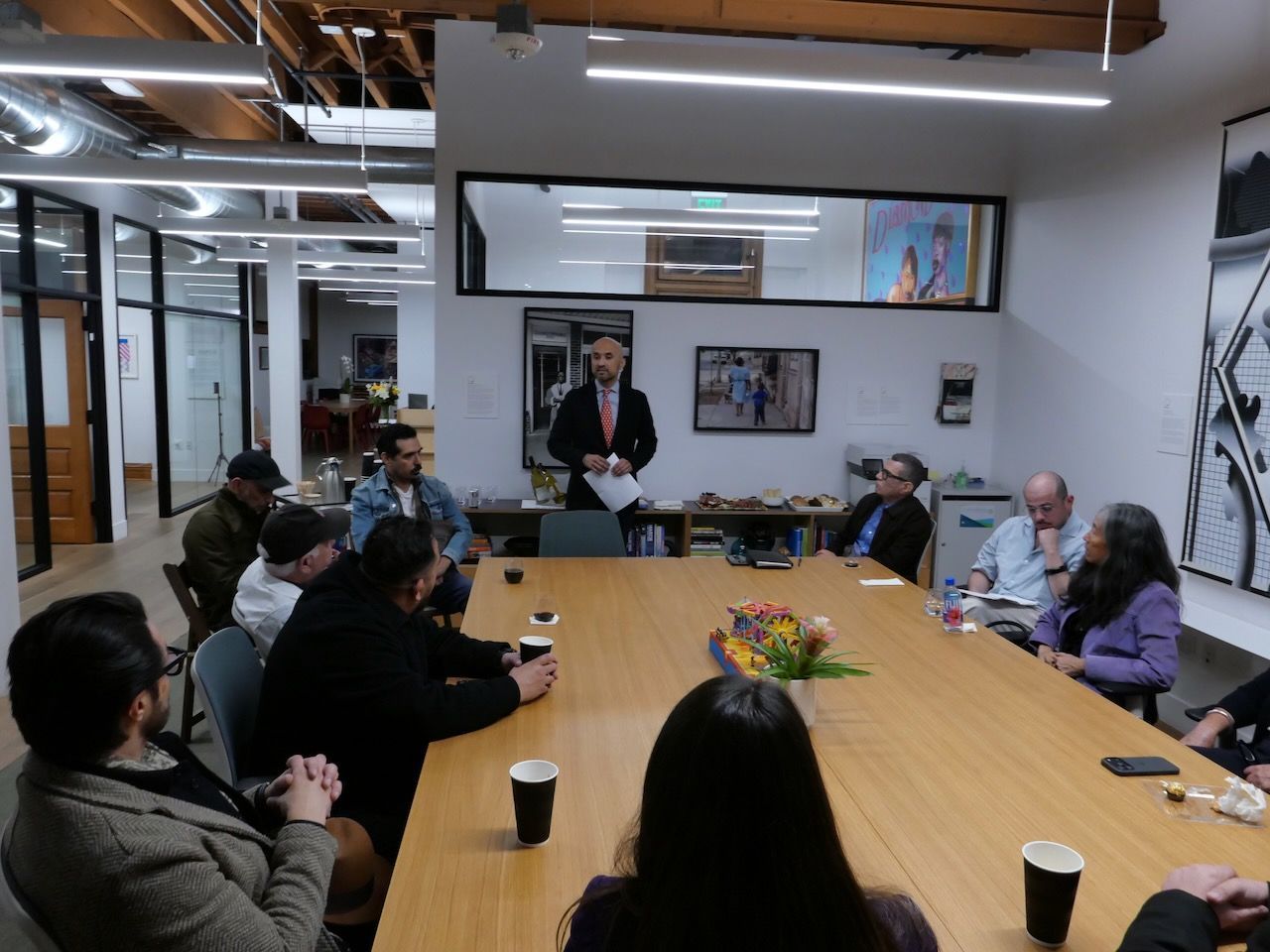
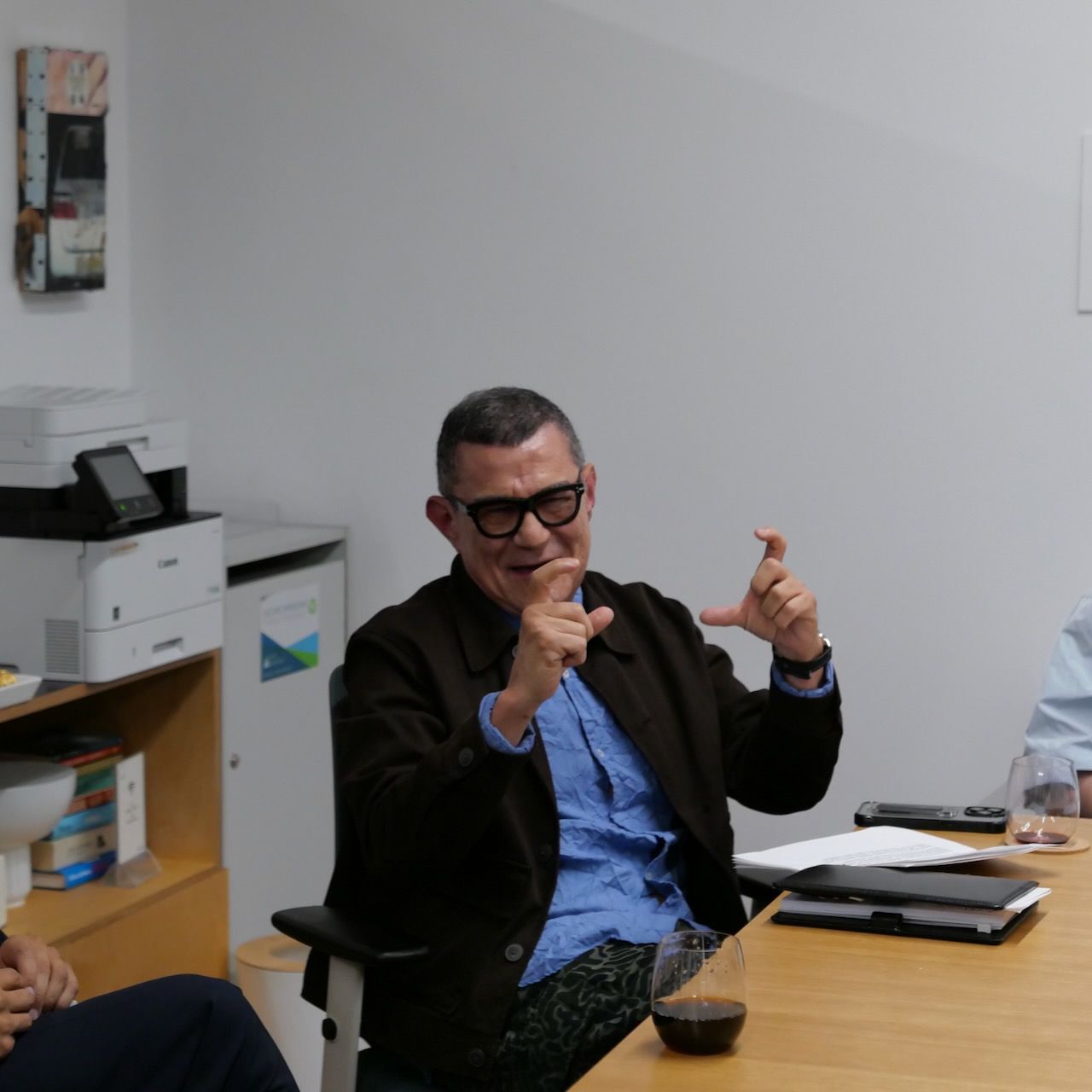
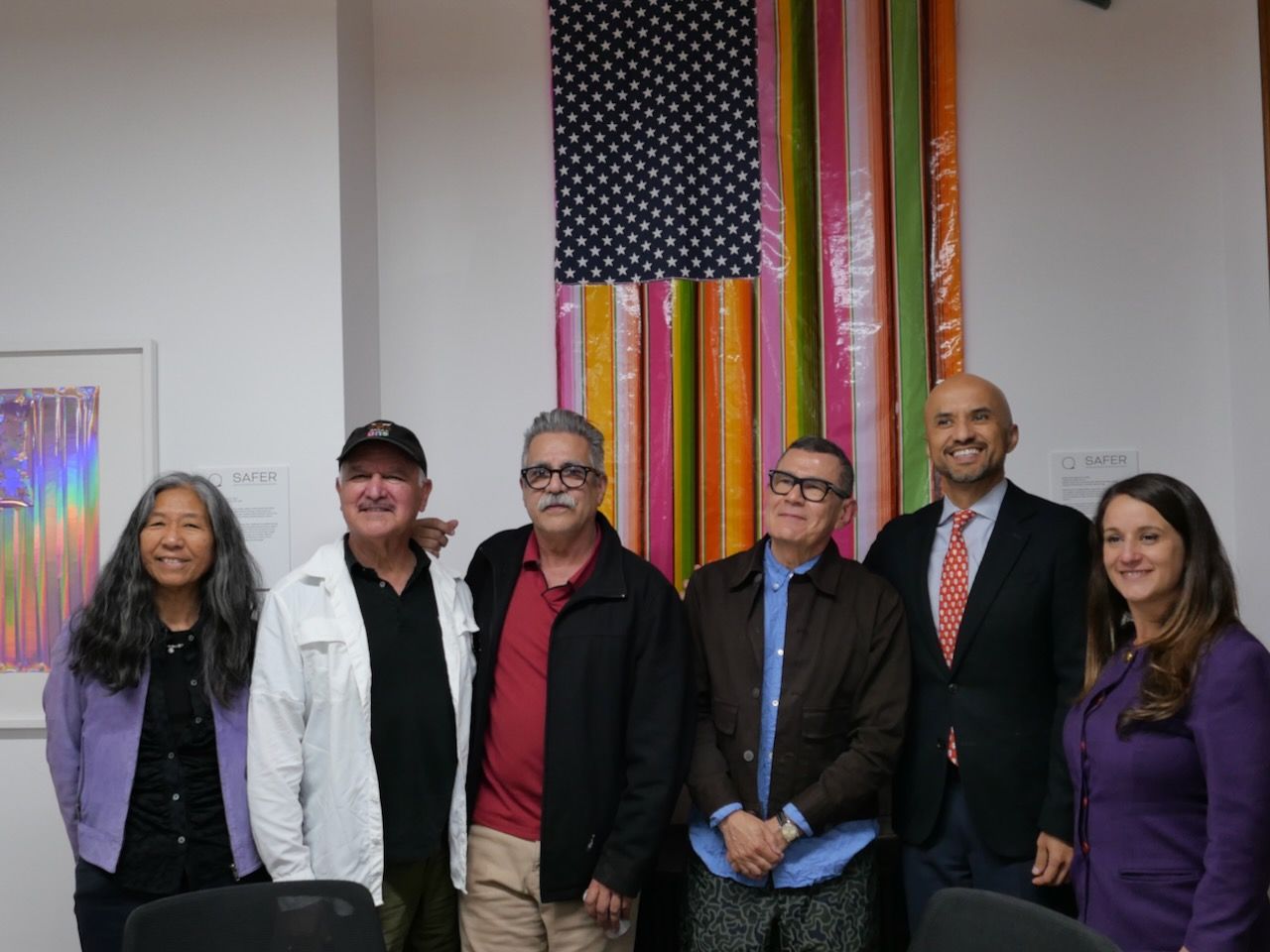
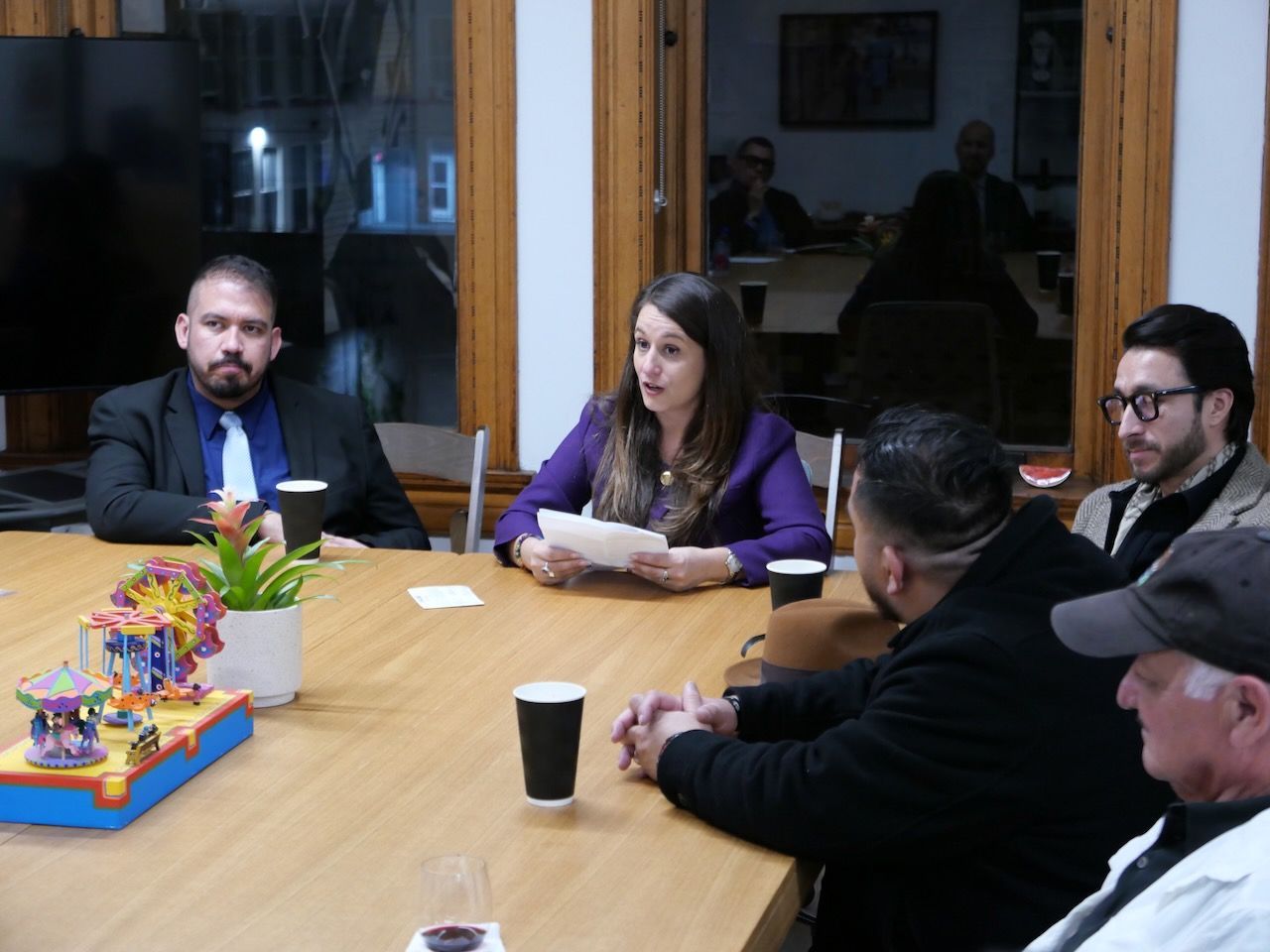
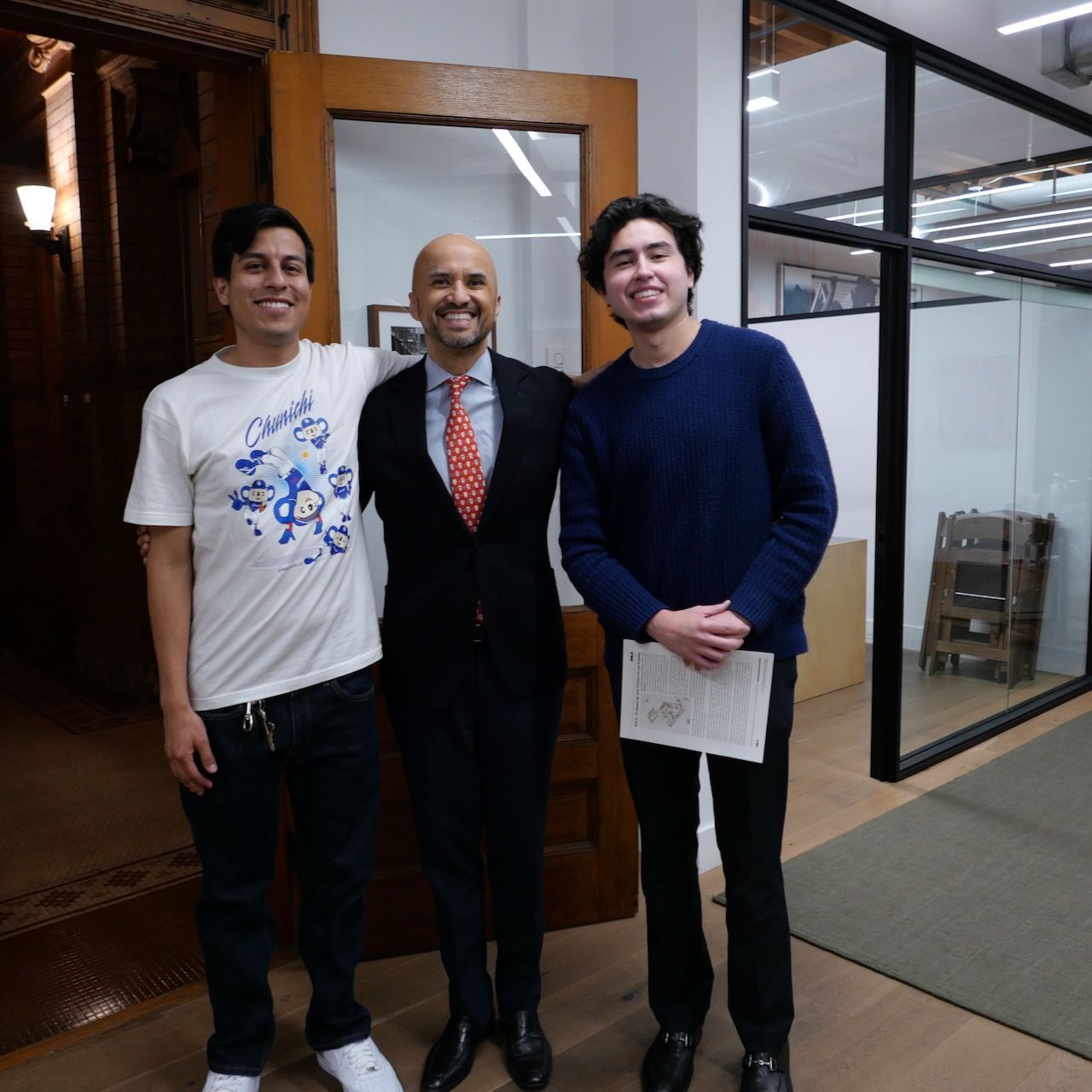
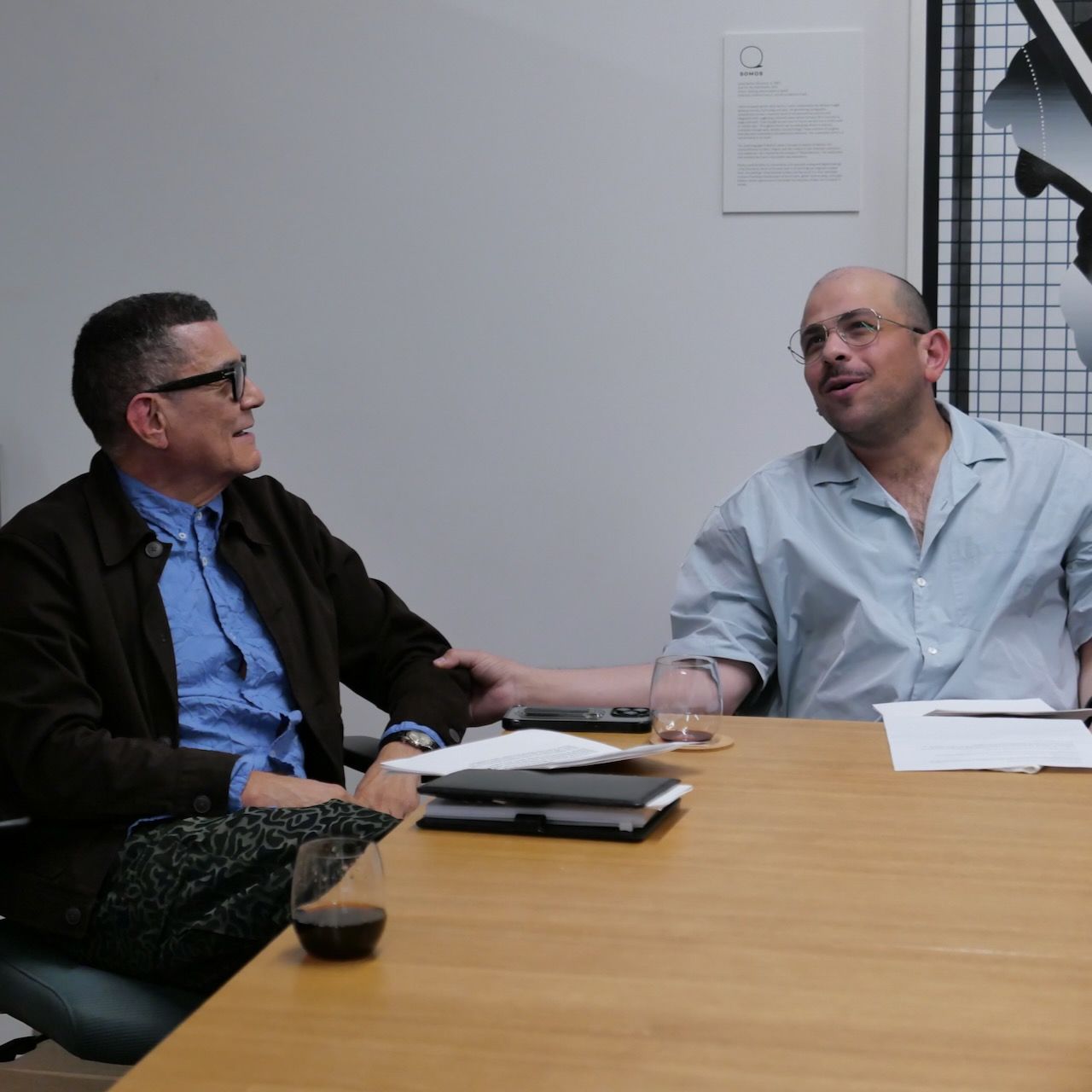
ABout SCARF:
SAFER Community Artist-in-Residence Fellowship
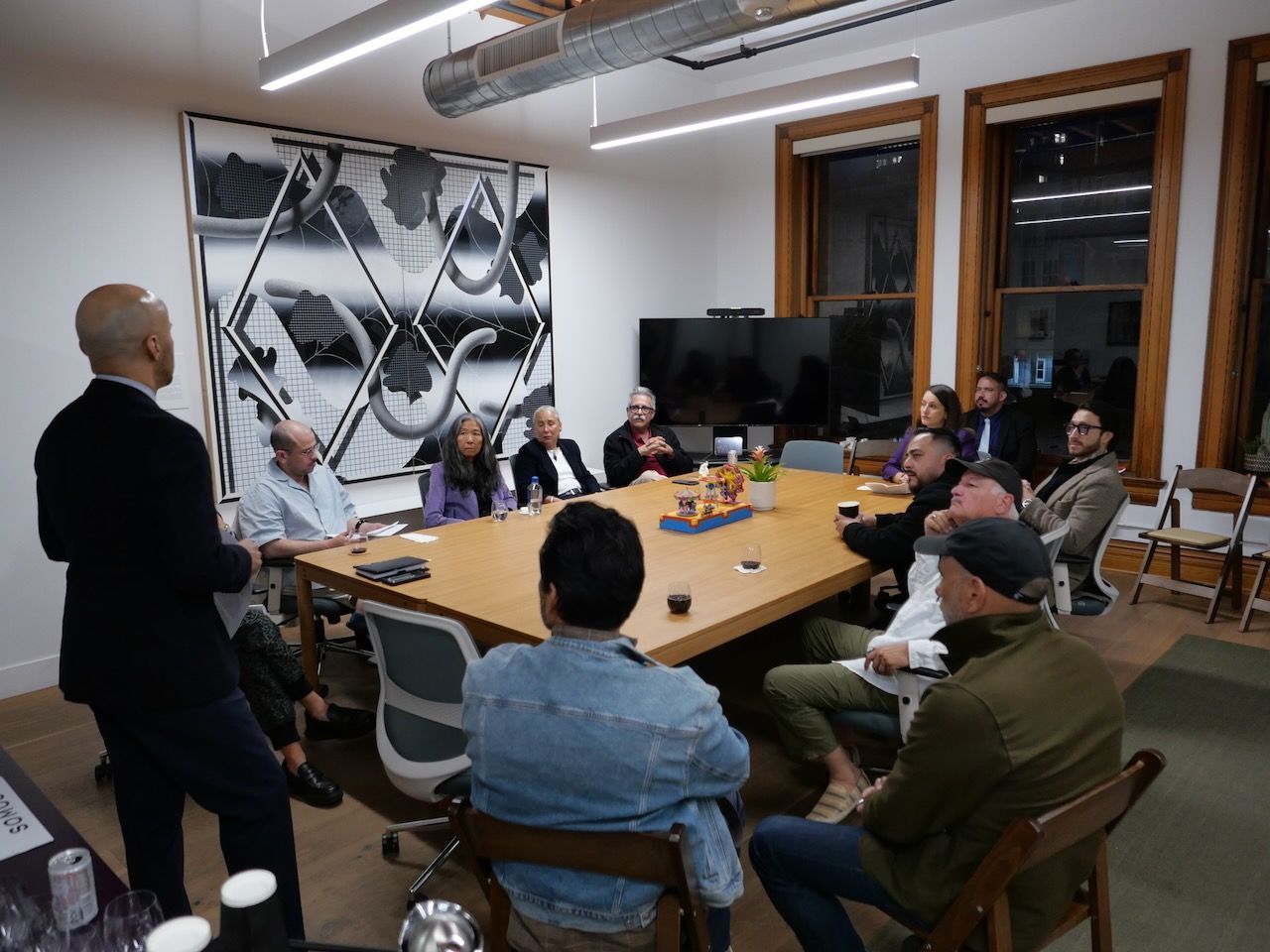
The SAFER Community Artist-in-Residence Fellowship (SCARF) recognizes the centrality of arts and culture in our communities. The program provides community artists with a stipend to encourage their creativity as well as the opportunity to display their works in a supportive environment. This reflects SAFER’s commitment to creating a dialogue on the role of art and culture in city-building and its essential function as an engine for building stronger and self-sustaining communities – culturally, economically, and politically.
The artists chosen for the fellowship have displayed a commitment to illuminating some of the most pressing issues at a unique moment in our history. They have embraced the complexities of exploring the evolving definition of artistic expression with radical imagination and fearless creativity. They seek to redefine art as a form of civic engagement that explores power dynamics, immigration, change, memory of place, and the experience of marginalized people.
The programs and themes exhibited aim to inspire and highlight the work of SAFER, serving as a reminder to our clients and guests that good work not only demands an abundant curiosity and expanded worldview but must also serve the purpose of building power and resilience in our communities. Artworks exhibited in this program – along with those displayed throughout Somos headquarters in Los Angeles, San Francisco and Mexico City – represent the type of diversity and equity that we seek in our community and our work.
SAFER is committed to raising awareness of the complex issues of our time –social and economic equity, gentrification, the immigrant experience, wealth inequality, gender diversity, national identity, and more – through the visual arts. In so doing, we believe SAFER can broaden the very definition and purpose of art as a tool to expand community power and economic resilience.